| |

" SHEEP HEAD "
James Bama - 1969
ORIGINAL
11" x 16"
Email-Price
Important early work, painted just one year
after Bama moved to Wyoming. Given as a gift
to Bob Edgar, owner and curator of Old
Trail Town in Cody, Wyoming.
|
|
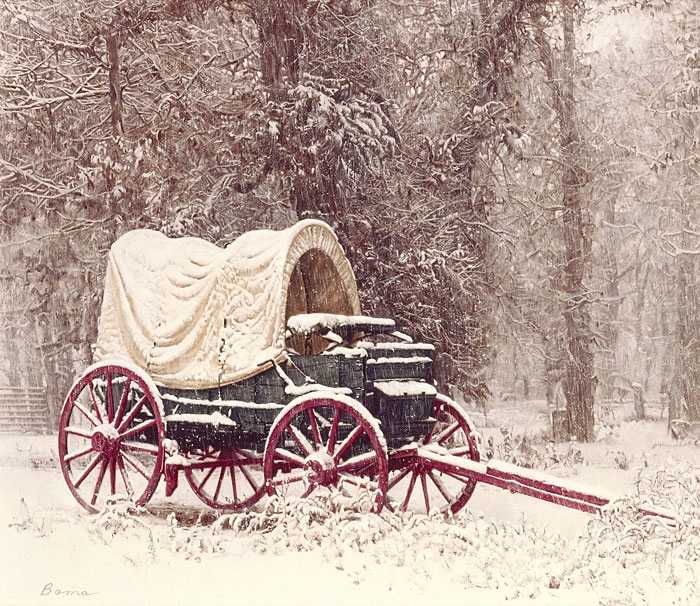
" CHUCK WAGON IN THE SNOW "
James Bama - April 2012
95 s/n Giclee Canvas
13" x 15"
$245
|
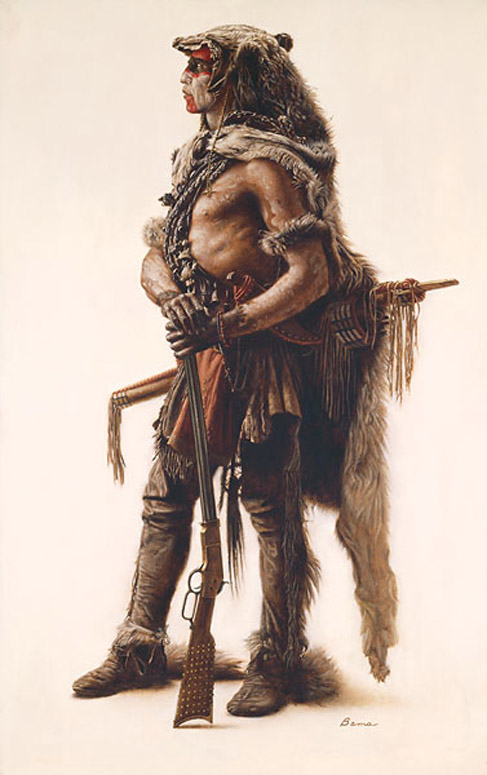
" NORTH CHEYENNE WOLF SCOUT "
James Bama - Nov 2011
75 s/n Giclee Canvas
22" x 14"
$495
|
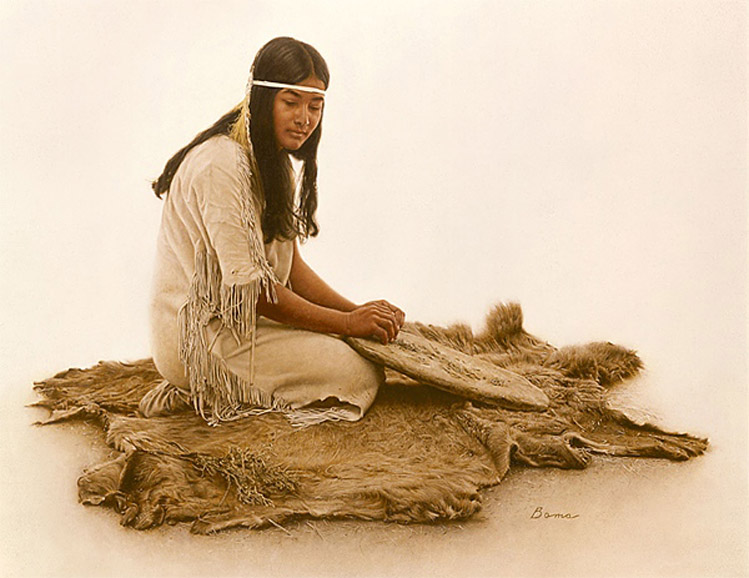
" SAGE GRINDER "
James Bama - Feb 2012
75 s/n Giclee Canvas
14" x 18"
$395
|
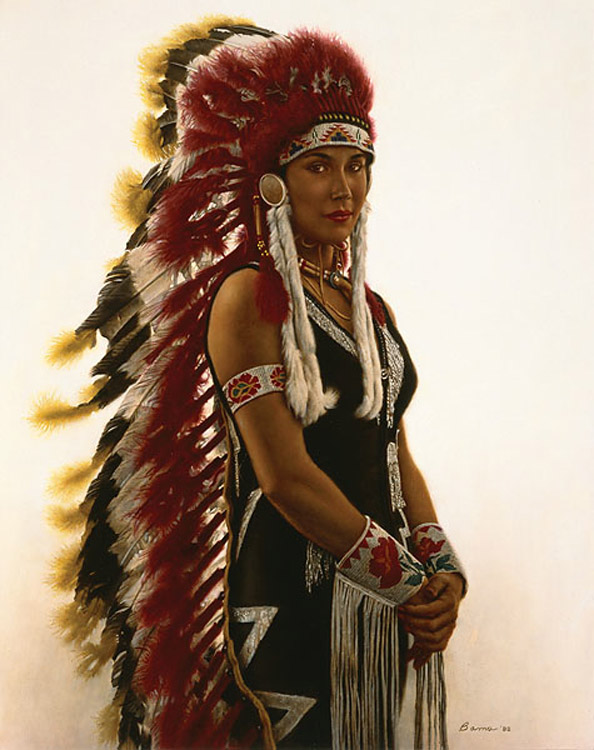
" INDIAN RODEO PERFORMER "
James Bama - May 2011
75 s/n Giclee Canvas
15" x 12"
Email-price
|

" BUFFALO BILL - 4TH OF JULY "
James Bama
75 s/n Giclee Canvas
18" x 18"
Email-price
|
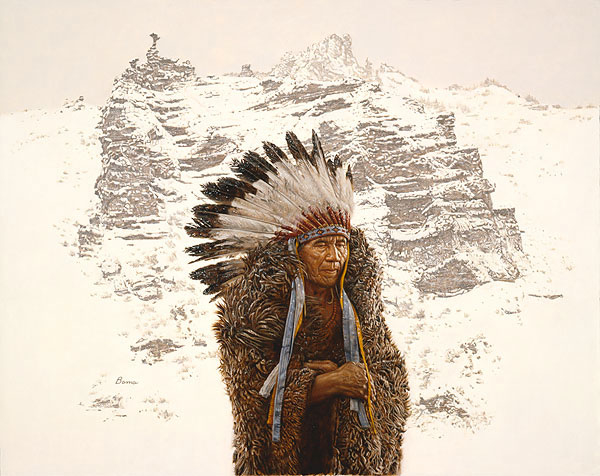
" HOLY MAN - HOLY CITY "
James Bama - Feb 2010
75 s/n Giclee Canvas
18" x 23"
Email-price
|
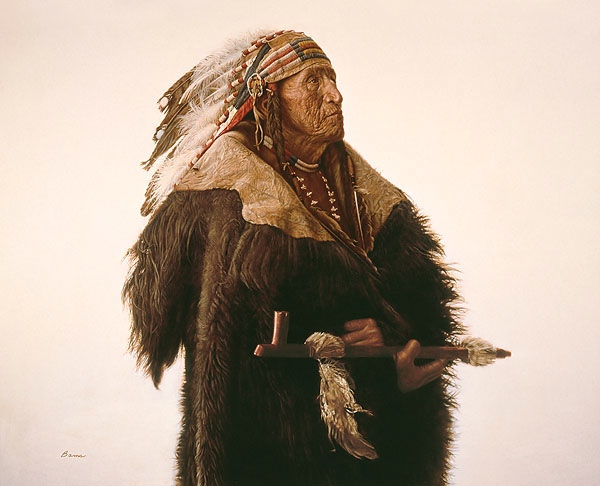
" CROW INDIAN WITH PEACE PIPE "
James Bama - Jan 2009
75 s/n Giclee Canvas
17" x 21"
$595
|
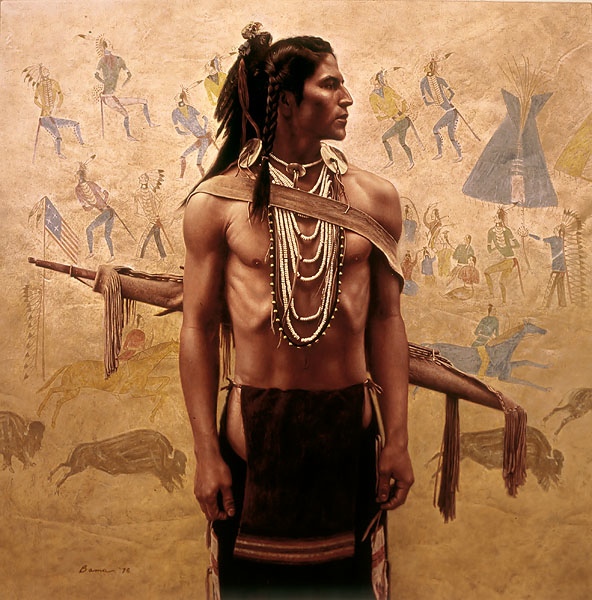
" HERITAGE "
James Bama - Sept. 2008
100 s/n Giclee Canvas
20" x 20" $695
1500 s/n Print 20.5" x 20.5" Email-price
|
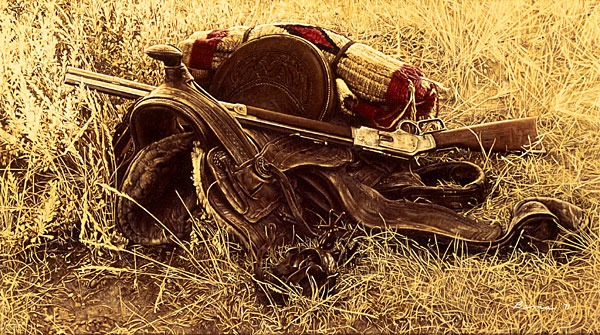
" 1880's STILL LIFE OF SADDLE & RIFLE "
James Bama - Oct. 2008
75 s/n Giclee Canvas
9" x 16"
$295
|

" POW-WOW SINGER "
James Bama - March 2008
75 s/n Giclee Canvas
11" x 11"
Email-price
|
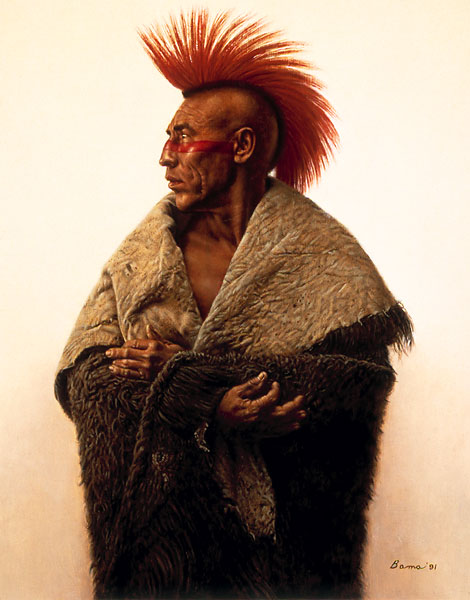
" THE PAWNEE "
James Bama - April 2008
125 s/n Giclee Canvas
15" x 19"
$545
|

" BUFFALO IN STORM "
James Bama - Jan. 2008
100 s/n Giclee Canvas
25" x 14"
Email-price
|
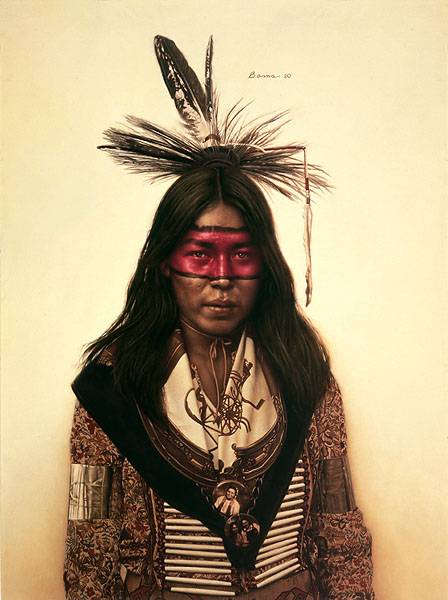
" YOUNG INDIAN DANCER "
James Bama - Sept 2007
75 s/n Giclee Canvas
12" x 9"
$245
|

" POW-WOW DANCER "
James Bama - Oct. 2007
100 s/n Giclee Canvas
25" x 15"
Email-price
|

" INDIAN BOY AT CROW FAIR "
James Bama - April 2007
75 s/n Giclee Canvas
13" x 9" Email-price
1500 s/n Ltd Ed. Print
22.25" x 17" Email-price
Print release -1978
|
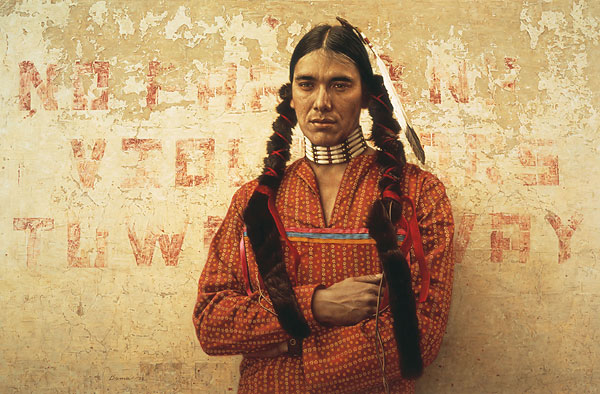
" CONTEMPORARY SIOUX INDIAN "
James Bama - May 2006
150 s/n Giclee Canvas 20" x 30" $950
1000 s/n Print 19" x 29" Email-price
|
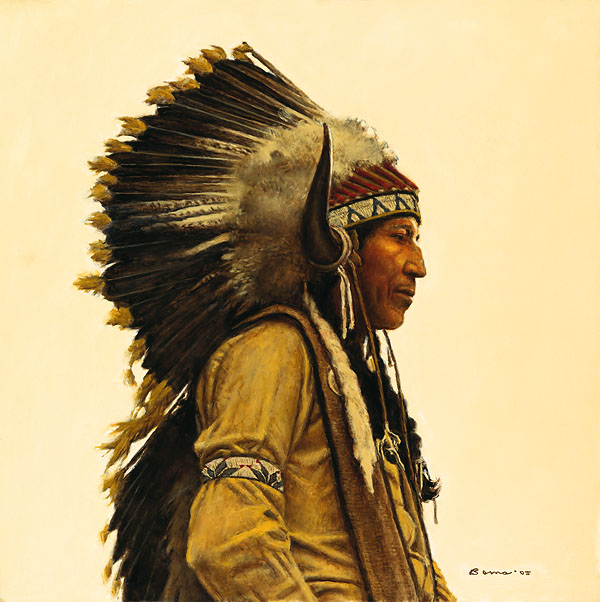
" BLACK ELK'S GREAT GRANDSON "
James Bama - Oct. 2006
100 s/n Giclee Canvas
20" x 20"
Email-price
|
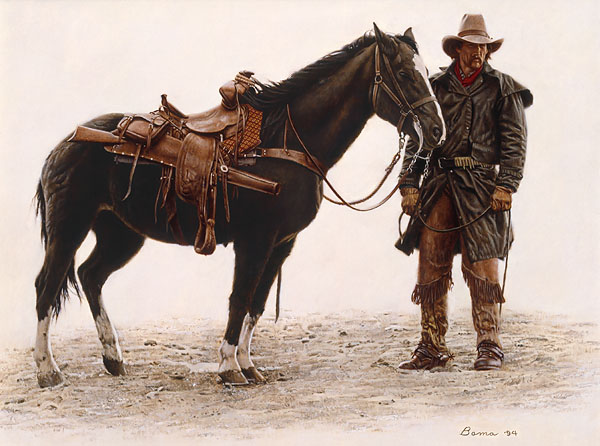
" HEADING FOR THE HIGH GROUND "
James Bama - May 2007
100 s/n Giclee Canvas
18" x 24"
$745
|
| |
|
|
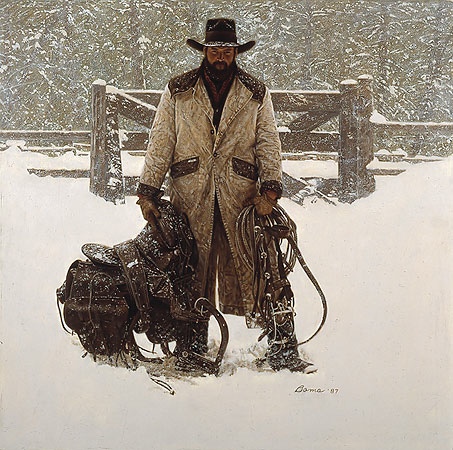
" BUCK NORRIS - CROSS SABRES RANCH "
James Bama - Oct. 2005
150 s/n Giclee Canvas
20" x 20" 1 left !!!
1000 s/n Print 19" x 19" Email-price
|
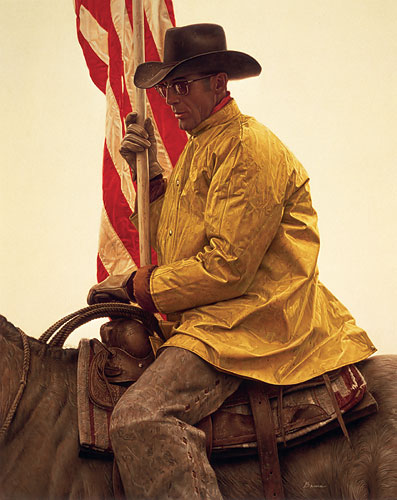
" WAITING FOR THE GRAND ENTRY "
James Bama - Feb. 2006
150 s/n Giclee Canvas
23" x 18"
$850
|

" BITTIN' UP RIMROCK RANCH "
James Bama - June 2005
150 s/n Giclee Canvas
20" x 20" Email-price
1250 s/n Print 19" x 19" Email-price
December 1988- print release
|

" THE WARRIOR "
James Bama - Aug 1996
200 s/n Limited Edition print
13.125" x 9"
Email-price
|

" BLACKFOOT CEREMONIAL
HEADDRESS "
James Bama - Oct. 1995
200 s/n Limited Edition print
30" x 16"
Email-price
|

" THE TEAMSTER "
James Bama - July 2001
POSTER
25.5" x 20"
Email-price
|

" CHEYENNE SPLIT HORN
HEADDRESS "
James Bama - Jan 1996
200 s/n Limited Edition print
26" x 13.75"
Email-price
|
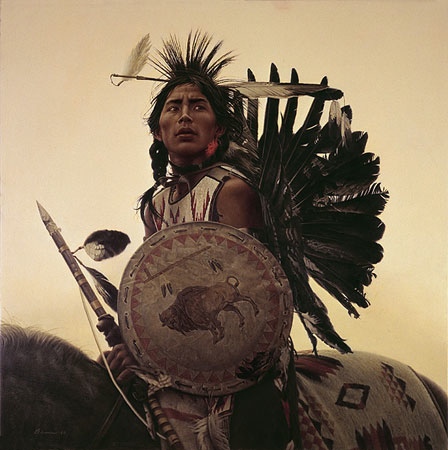
" YOUNG PLAINS INDIAN "
James Bama - Feb 2005
150 s/n Giclee Canvas
24" x 24" Email-price
1500 s/n Print 22" x 22.5" Email-price
Print Release Aug. 1980
|

" A COWBOY NAMED ANNE "
James Bama - May 1995
1000 s/n Limited Edition print
18.75" x 11.5"
Email-price
|

" SLIM WARREN THE OLD COWBOY "
James Bama - Mar. 1994
1000 s/n Limited Edition print
12" x 8.875"
Email-price
|

" CHEYENNE DOG SOLDIER "
James Bama - Oct. 1994
1000 s/n Limited Edition print
27.75" x 18.625"
Email-price
|

" READY TO RIDE "
James Bama - Feb. 1995
1000 s/n Limited Edition print
18.75" x 12.5"
Email-price
|

" SIOUX SUBCHIEF "
James Bama - Nov 1992
1000 s/n Limited Edition print
21.25" x 13.25"
Email-price
|

" WES STUDI AS MAGUA "
James Bama - April 1993
1000 s/n Limited Edition print
21.75" x 13.75"
Email-price
|

" THE BUFFALO DANCE "
James Bama - July 1993
1000 s/n Limited Edition print
20" x 16"
Email-price
|

" ON THE NORTH FORK OF
THE SHOSHONI "
James Bama - Dec. 1993
1000 s/n Limited Edition print
19" x 19"
Email-price
|

" BLACKFEET WAR ROBE "
James Bama - Oct. 1992
1000 s/n Limited Edition print
21.25" x 13.25"
Email-price
|

" MAKING HORSE MEDICINE "
James Bama - Jan. 1993
1000 s/n Limited Edition print
19.125" x 23"
Email-price
|

" RIDING THE HIGH COUNTRY "
James Bama - Nov 1991
1250 s/n Limited Edition print
21" x 21"
Email-price
|

" NORTHERN CHEYENNE WOLF
SCOUT "
James Bama - April 1992
1000 s/n Limited Edition print
21" x 13.5"
Email-price
|

" COMING ROUND THE BEND "
James Bama - Sept. 1992
1000 s/n Limited Edition print
12.25" x 22"
Email-price
|

" CROW CAVALRY SCOUT "
James Bama - April 1996
1000 s/n Limited Edition print
21.25" x 13.5"
Email-price
|

" CEREMONIAL LANCE "
James Bama - Feb. 1991
1250 s/n Limited Edition print
19.5" x 27.75"
Email-price
|

" READY TO RENDEZVOUS "
James Bama - June 1991
1000 s/n Limited Edition print
23.5" x 16"
Email-price
|

" CHUCK WAGON "
James Bama - April 1991
1000 s/n Limited Edition print
18" x 21.5"
Email-price
|

" PAUL NEWMAN AS BUTCH CASSIDY "
James Bama - Sept. 1990
2000 s/n Limited Edition print
18.25" x 27.75" $250
1000 Co-Signed by Paul Newman
Email-price
|

" THE DRIFT ON SKULL CREEK PASS "
James Bama - Dec. 1990
1500 s/n Limited Edition print
15.75" x 21"
Email-price
|

" YOUNG SHEEPHERDER "
James Bama - Aug. 1990
1500 s/n Limited Edition print
15.5" x 19.375"
Email-price
|

" OLD MAN AND HIS PIG "
James Bama - July 1990
888 s/n Limited Edition print
18" x 21.5"
Email-price
|

" BUFFALO BILL "
James Bama - June 1990
1250 s/n Limited Edition print
17.25" x 17.25"
Email-price
|

" RIDIN' THE RIMS "
James Bama - Dec. 1989
1250 s/n Limited Edition print
15.625" x 19.625"
Email-price
|

" RISE WITH FORCE AND SPIRIT "
James Bama - Sept. 1989
888 s/n Limited Edition print
20.125" x 23.5"
Email-price
|

" WEST LAKE HANGZHOU CITY "
James Bama - April 1990
888 s/n Limited Edition print
10.75" x 19.875"
Email-price
|

" XIAN TEMPLE "
James Bama - Sept. 1989
888 s/n Limited Edition print
13.375" x 29"
Email-price
|

" THE VOLUNTEER "
James Bama - Oct. 1988
1500 s/n Limited Edition print
22.75" x 19"
Email-price
|

" BOY FROM CHENGDU "
James Bama - June 1989
888 s/n Limited Edition print
19" x 15"
Email-price
|

" LITTLE FAWN CREE "
James Bama - Sept. 1989
1250 s/n Limited Edition print
17.75" x 14"
Email-price
|

" CROW INDIAN WEARING 1860'S WAR BONNET "
James Bama - Feb. 1988
1000 s/n Limited Edition print
24.25" x 19"
Email-price
|

" CROW INDIAN FROM LODGE GRASS "
James Bama - June 1988
1250 s/n Limited Edition print
18.75" x 18.75"
Email-price
|

" DAN - MOUNTAIN MAN "
James Bama - April 1988
1250 s/n Limited Edition print
19" x 12.375"
Email-price
|

" SOUTHWEST INDIAN FATHER & SON "
James Bama - Oct. 1983
1250 s/n Limited Edition print
20.5" x 14.5"
Email-price
|

" WINTER ON TROUT CREEK "
James Bama - Nov. 1987
1000 s/n Limited Edition print
14.875" x 18.75"
Email-price
|
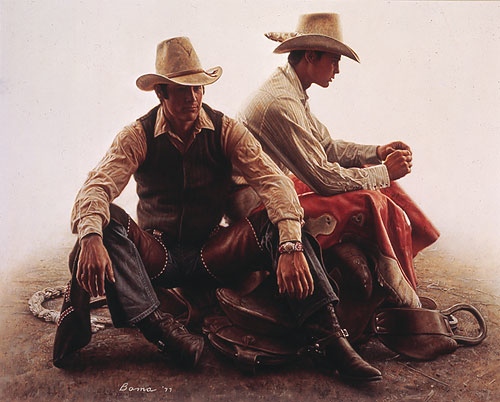
" THE DAVILLA BROTHERS - BRONC RIDERS "
James Bama - Dec. 1982
1250 s/n Limited Edition print
15.625" x 19.5"
Email-price
|

" CROW INDIAN DANCER "
James Bama - May 1982
1250 s/n Limited Edition print
20" x 19.25"
Email-price
|

" DON WALKER BAREBACK RIDER "
James Bama - Jan. 1993
1250 s/n Limited Edition print
12" x 7.875"
Email-price
|

" AT THE BURIAL OF GALLAGER
AND BLIND BILL "
James Bama - May 1981
1500 s/n Limited Edition print
17.5" x 23.5"
Email-price
|
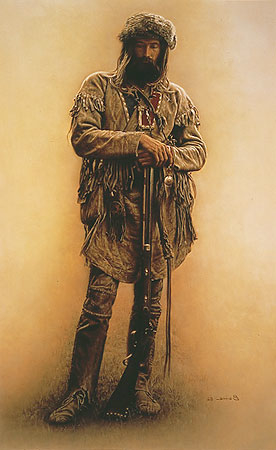
" MOUNTAIN MAN WITH RIFLE "
James Bama - Aug. 1982
1250 s/n Limited Edition print
21.5" x 13"
Email-price
|

" SIOUX INDIAN WITH EAGLE FEATHER" James Bama - May 1982
1250 s/n Limited Edition print
18" x 14.25"
Email-price
|

" WINTER TRAPPING "
James Bama - Aug 1981
1500 s/n Limited Edition print
20.5" x 17"
Email-price
|

" OLDEST LIVING CROW INDIAN "
James Bama - Dec. 1981
1500 s/n Limited Edition print
22.75" x 19"
Email-price
|
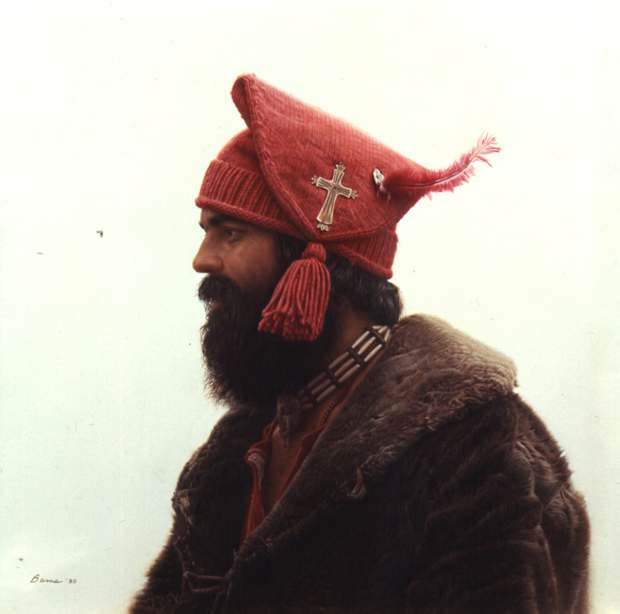
" AT A MOUNTAIN MAN WEDDING "
James Bama - April 1981
1500 s/n Limited Edition print
19" x 19"
Email-price
|

" OLD SADDLE IN THE SNOW "
James Bama - Sept. 1980
1500 s/n Limited Edition print
11.625" x 18"
Email-price
|

" OLD ARAPAHO STORY-TELLER "
James Bama - April 1981
1500 s/n Limited Edition print
19.25" x 19.25"
Email-price
|

" PORTRAIT OF A SIOUX "
James Bama - Dec. 1980
1500 s/n Limited Edition print
19.5" x 19.5"
Email-price
|

" KEN BLACKBIRD "
James Bama - April 1980
1500 s/n Limited Edition print
17.25" x 19"
Email-price
|

" MOUNTAIN MAN 1820-1840"
James Bama - May 1980
1500 s/n Limited Edition print
21" x 14.5"
Email-price
|

" SHEEP SKULL IN DRIFT "
James Bama - Aug. 1980
1500 s/n Limited Edition print
12.5" x 17"
Email-price
|

" LITTLE STAR "
James Bama - Sept. 1979
1500 s/n Limited Edition print
23" x 18.5" Email-price
75 s/n Giclee Canvas
16" x 12" Email-price
|

" MOUNTAIN MAN AND HIS FOX "
James Bama - Sept. 1979
1500 s/n Limited Edition print
23" x 18.5"
Email-price
|

" THE OLD SOD HOUSE "
James Bama - Jan. 1990
1500 s/n Limited Edition print
10.5" x 20"
Email-price
|

" PRE-COLUMBIAN INDIAN
WITH ATLATL "
James Bama - March 1979
1500 s/n Limited Edition print
14.5" x 18.5"
Email-price
|

" MOUNTAIN MAN "
James Bama - June 1978
1000 s/n Limited Edition print
24" x 19"
Email-price
|

" ROOKIE BRONC RIDER "
James Bama - May 1978
1000 s/n Limited Edition print
14.5" x 19"
Email-price
|

" INDIAN AT CROW FAIR "
James Bama - Sept 1978
1500 s/n Limited Edition print
22.25" x 17"
Email-price
|

" A MOUNTAIN UTE "
James Bama - Jan. 1978
1000 s/n Limited Edition print
24" x 19.25"
Email-price
|

" A CROW INDIAN "
James Bama - Aug. 1977
1000 s/n Limited Edition print
17" x 20"
Email-price
|

" SAGE GRINDER "
James Bama - Aug. 1976
1000 s/n Limited Edition print
17" x 21"
Email-price
|

" TIMBER JACK JOE MOUNTAIN MAN "
James Bama - June 1977
1000 s/n Limited Edition print
23" x 16"
Email-price
|

" CHUCK WAGON IN THE SNOW "
James Bama - Feb. 1975
1000 s/n Limited Edition print
13" x 15.5"
Email-price
|

" SHOSHONE CHIEF "
James Bama - Aug. 1974
1000 s/n Limited Edition print
23" x 18"
Email-price
|
|
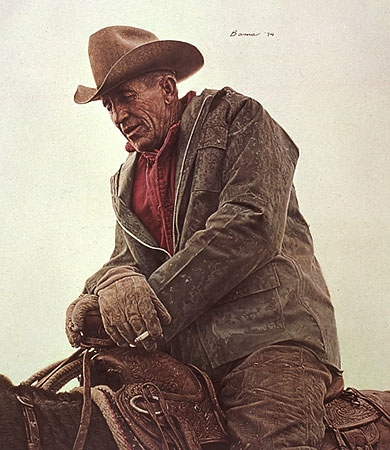
" KEN HUNDER - WORKING COWBOY "
James Bama - June 1974
1000 s/n Limited Edition print
24" x 21"
Email-price
|
| |
|
|


